Reliability begins at manufacture and is proven throughout the lifecycle
Shut-off valve performance starts with quality design, manufacturing, and testing. Verifying valve integrity from the earliest stages ensures that every component meets the required standards before entering service.
Throughout the valve’s operating life, regular testing and maintenance confirm continued performance, identify degradation and support proactive decision-making. Lifecycle testing provides confidence that critical isolation functions will perform safely and reliably whenever required.
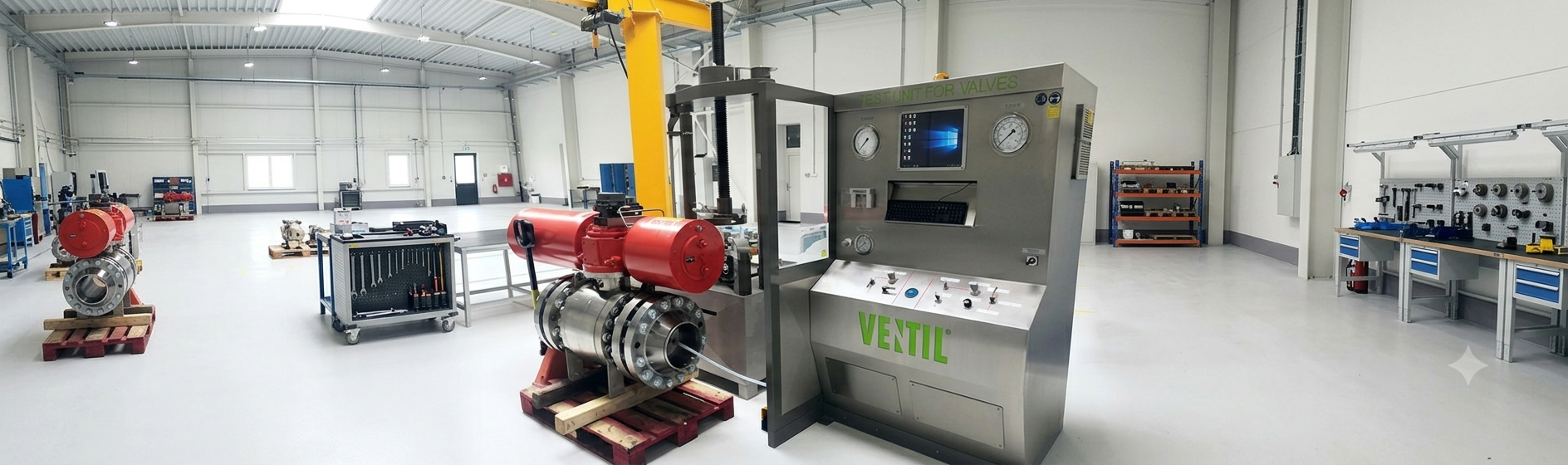
We understand that pressure testing shut-off valves is essential to ensuring reliability, safety and long-term performance in critical applications. Our expertise combines a deep understanding of the high variety of valves, industry standards and testing requirements with the ability to accommodate a wide range of valve designs and testing orientations.
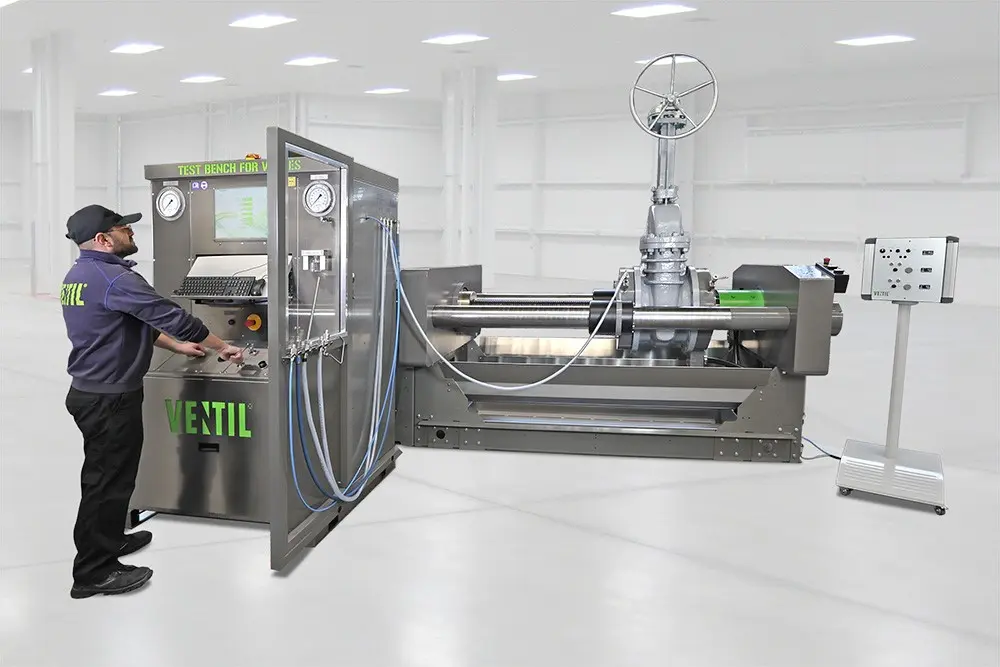
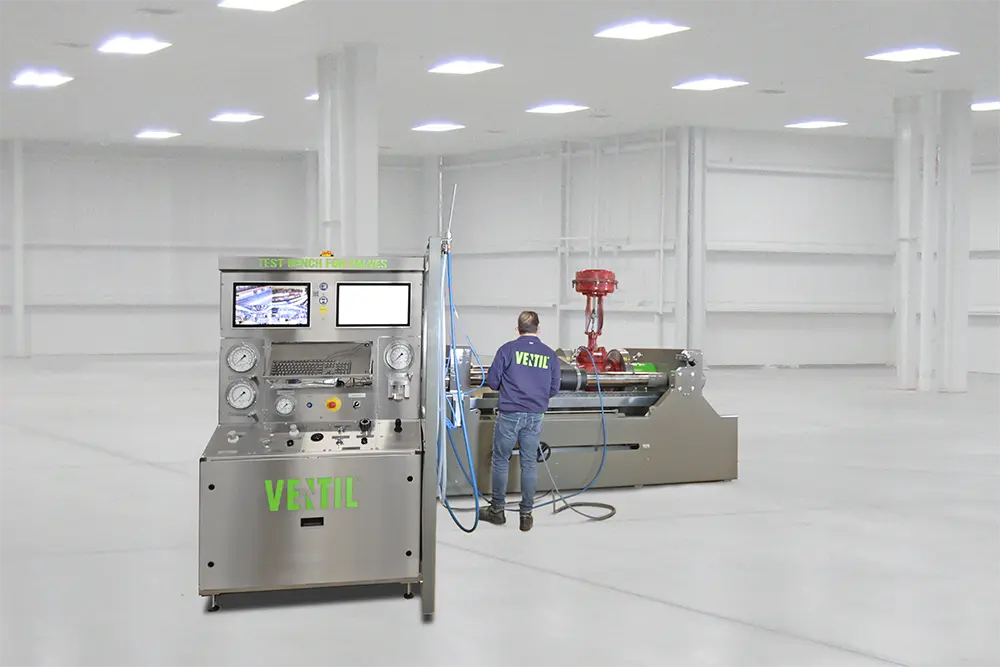
Horizontal valve testing replicates typical pipeline installation conditions and allows verification of critical performance parameters, including pressure integrity, seat tightness, operating torque and actuator functionality.
This orientation helps identify potential effects of gravity, component alignment, sealing performance, and mechanical stresses, ensuring the valve operates reliably and safely under actual service conditions.
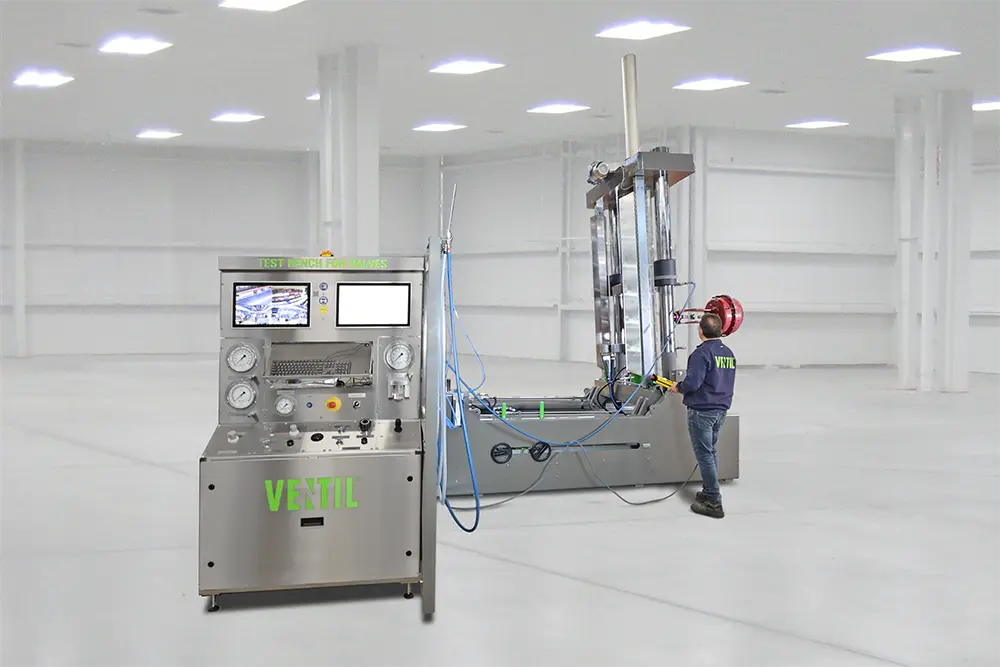
Vertical valve testing is an effective alternative to horizontal testing when required by valve design, installation conditions or test facility limitations.
Testing valves in a vertical position helps simulate real operating conditions, evaluate the impact of gravity on internal components, verify proper sealing, movement and actuator performance. It also improves pressure test accuracy by reducing trapped air and supporting better drainage during hydrostatic testing.
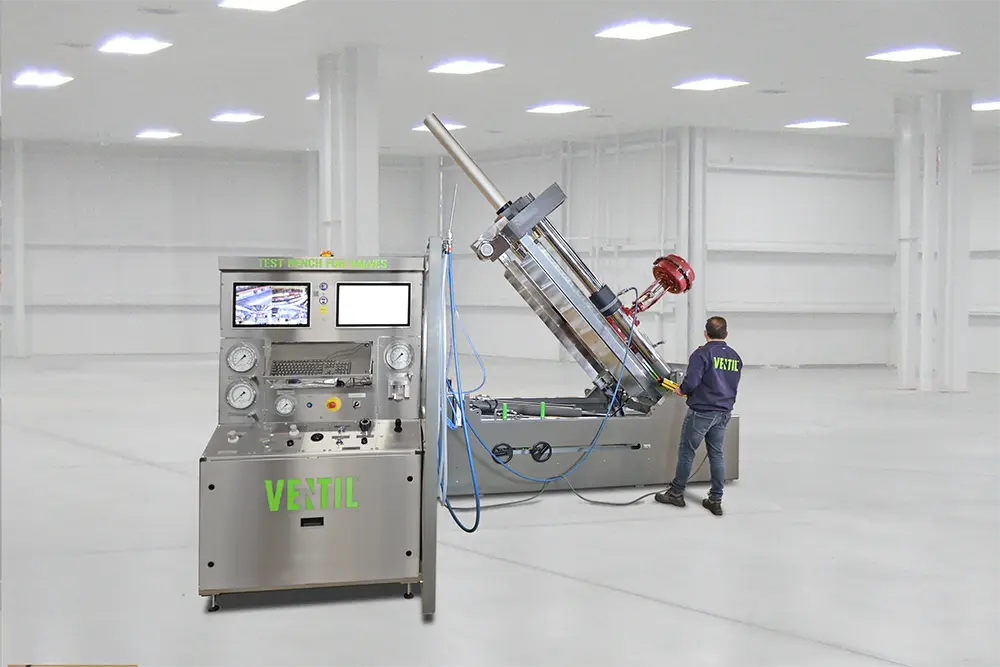
Tilting valve tests verify valve performance under non-standard installation orientations, ensuring reliable operation when pipelines are not perfectly horizontal or vertical.
The valve is mounted in a controlled test setup and positioned at different angles from 0° to 90° to simulate real operating conditions. Pressure, leakage (seat, stem, and body), and functional performance are evaluated to confirm valve integrity and operational reliability in accordance with the applicable industry standard.
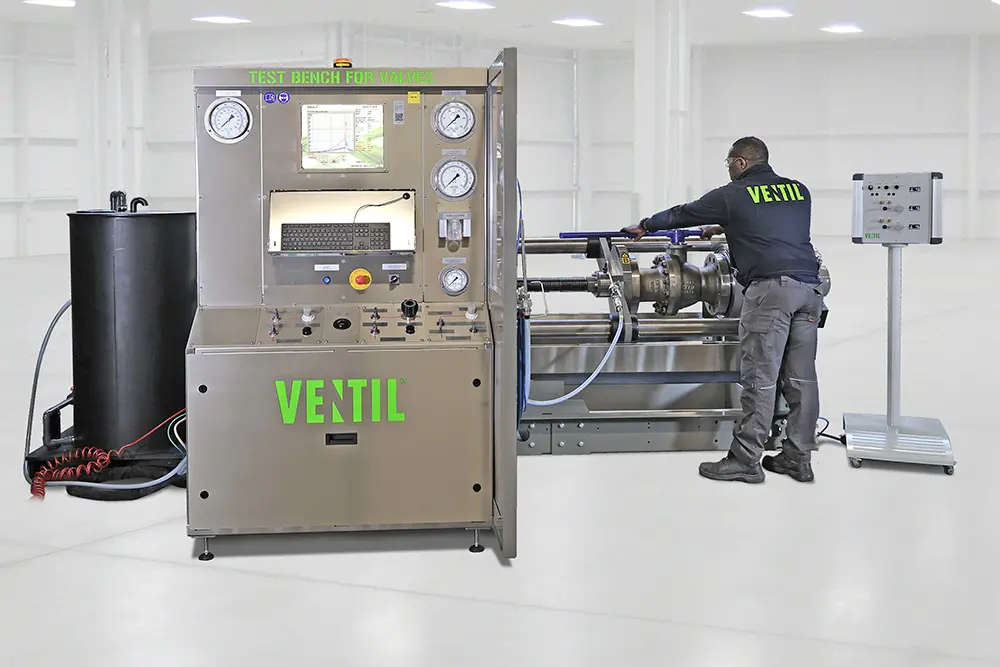
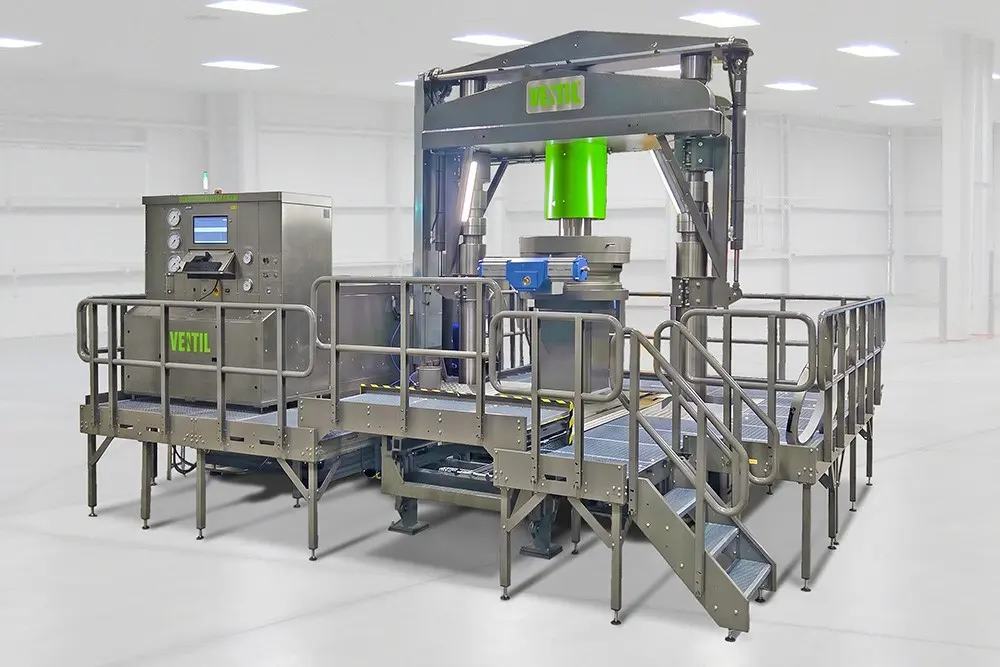
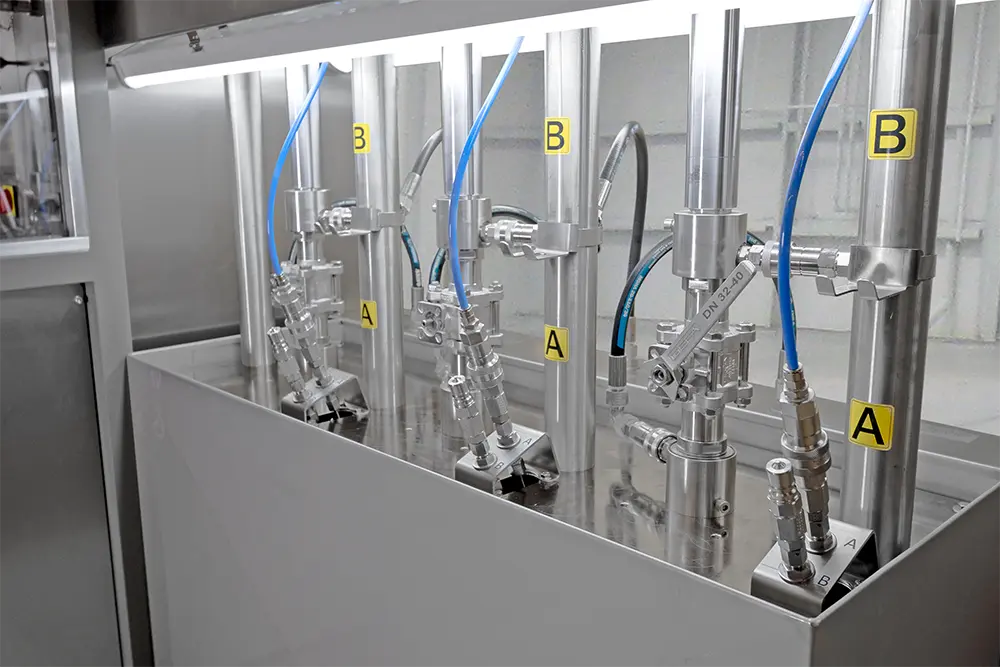
Our semi- and fully automated multi-station valve test benches are designed for fast, reliable testing of large valve series. Based on extensive valve testing experience, the systems combine robust design, reliable clamping and sealing solutions, and advanced control technology to maximize uptime and minimize production interruptions.
Accurate measurement of pressure, flow, and leakage, combined with automated reporting and traceability, ensures consistent quality and efficient production control.
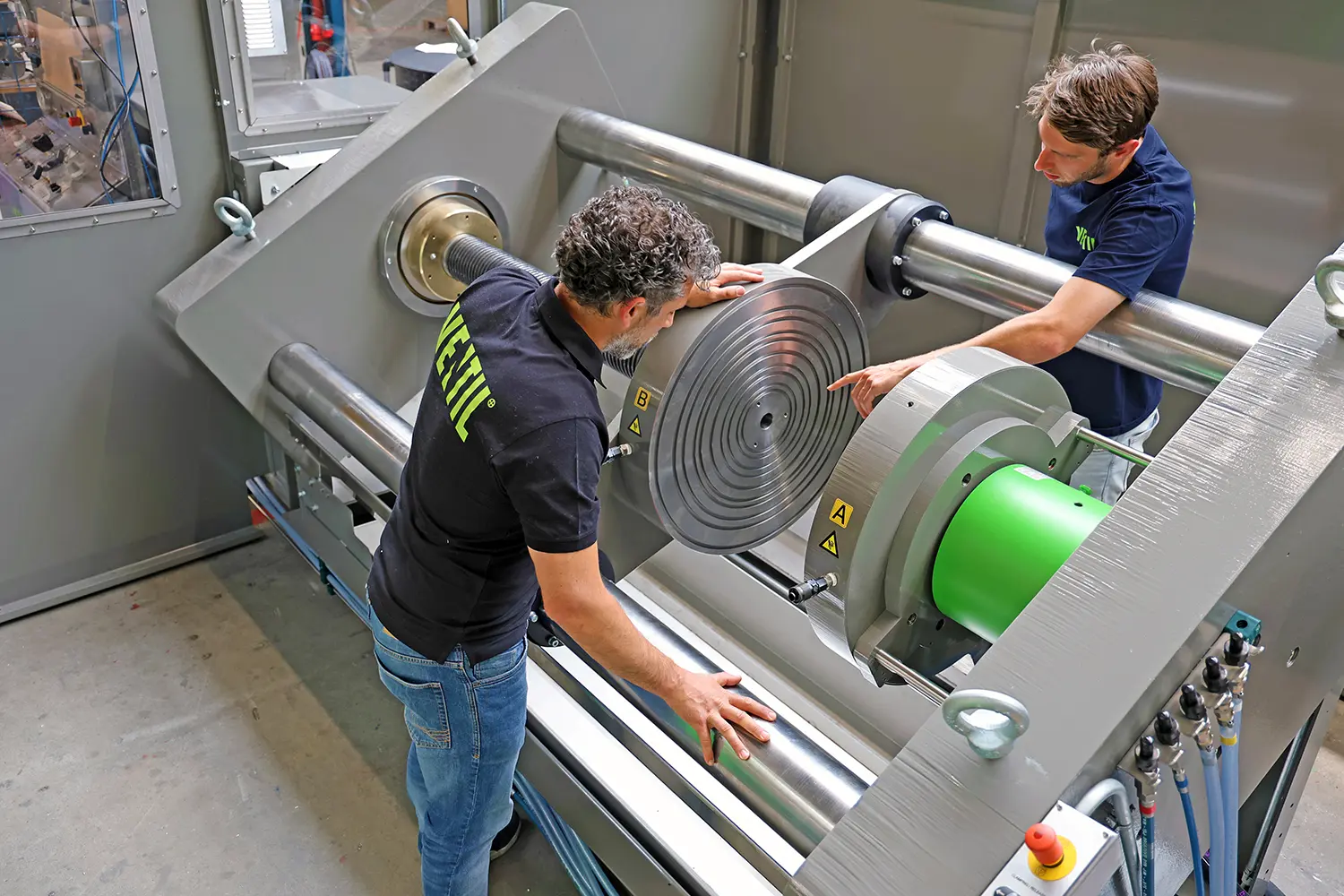
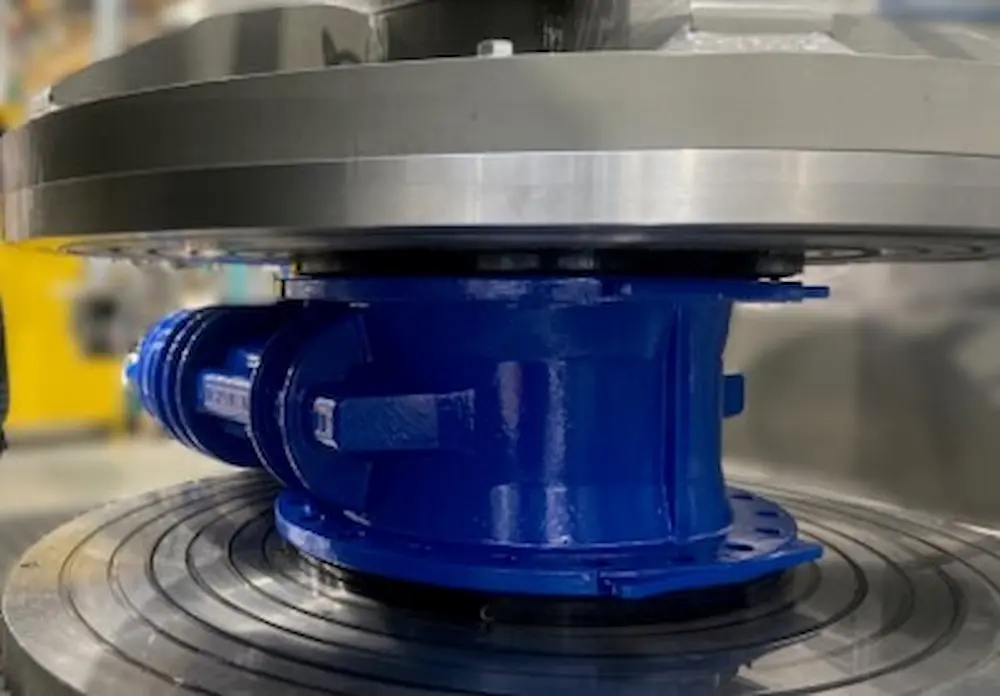
To prevent overstressing the valve body during testing, we have developed specialized clamping and sealing methods that apply controlled, evenly distributed loads. These solutions minimize localized stresses and deformation while ensuring reliable pressure containment.
This allows accurate verification of valve integrity and performance without compromising the valve body’s structural properties or service life.